Microneedling has become one of the most popular minimally invasive skin treatments for addressing everything from acne scars to fine lines and uneven texture. If you’re considering this procedure, understanding what happens before, during, and after your session can help ease any anxiety and ensure you get the best possible results.
What Is Microneedling?
Microneedling, also known as collagen induction therapy, involves using fine needles to create thousands of tiny, controlled punctures in the skin. This triggers your body’s natural wound healing response, stimulating collagen and elastin production. The result? Smoother, firmer, and more youthful-looking skin over time.
Before Your Microneedling Session
Initial Consultation
Your journey begins with a consultation with a licensed professional. During this appointment, your provider will examine your skin, discuss your concerns and goals, review your medical history, and determine if you’re a good candidate for the treatment. They’ll also explain the procedure, set realistic expectations, and create a customized treatment plan.
Pre-Treatment Guidelines
To prepare your skin and minimize complications, follow these important steps in the days leading up to your appointment:
Two Weeks Before:
- Avoid direct sun exposure and tanning beds
- Discontinue retinoids, vitamin A products, and exfoliating acids
- Stop using any harsh skincare products
- Inform your provider about any active skin infections or cold sores
One Week Before:
- Avoid waxing, chemical peels, or laser treatments
- Stay well-hydrated by drinking plenty of water
- If you have a history of cold sores, your provider may prescribe antiviral medication
Day Before:
- Cleanse your face thoroughly
- Avoid alcohol and excessive caffeine
- Get a good night’s sleep
- Skip makeup on the day of treatment
What to Avoid
Certain individuals should not undergo microneedling, including those who are pregnant or breastfeeding, have active acne or skin infections, have a history of keloid scarring, are on blood-thinning medications, or have certain skin conditions like eczema or rosacea in the treatment area.
During Your Microneedling Session
Arrival and Preparation
When you arrive for your appointment, your face will be thoroughly cleansed to remove any oils, dirt, or residue. Your provider will then apply a topical numbing cream to minimize discomfort, which typically takes 20 to 30 minutes to take effect.
The Procedure
Once your skin is numb, the actual microneedling begins. Your provider will use either a derma roller or an automated pen-like device with adjustable needle depths, typically ranging from 0.5mm to 2.5mm depending on your skin concerns and the area being treated.
The device is moved across your skin in various directions, creating thousands of micro-channels. You may hear a light buzzing sound if an automated device is used. During the procedure, your provider may apply serums or growth factors that penetrate deeply through the micro-channels for enhanced results.
What It Feels Like
Thanks to the numbing cream, most people describe the sensation as mild pressure or a light scratching feeling rather than pain. More sensitive areas like the forehead or around the nose might feel slightly more intense. The entire treatment typically takes 30 to 60 minutes, depending on the size of the treatment area.
Immediate After-Care in Office
Once complete, your provider will apply a soothing serum, hydrating mask, or calming cream to help reduce redness and support healing. They’ll provide detailed post-care instructions before you leave.
After Your Microneedling Session
What to Expect Immediately After
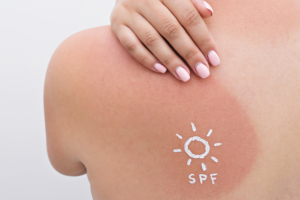
Your skin will look and feel similar to a moderate sunburn. Common immediate effects include redness and flushing, mild swelling, tight or sensitive skin, and possible pinpoint bleeding or bruising in some cases. These are normal reactions and typically subside within a few days.
The Healing Timeline
First 24 Hours: Your skin will be at its most sensitive with peak redness and possible swelling. Keep your skin clean and avoid touching your face.
Days 2-3: Redness begins to fade, and you may experience some dryness or flaking as your skin starts to heal. This is a sign that the renewal process is underway.
Days 4-7: Most visible side effects resolve, and you may notice your skin feeling smoother. Flaking should diminish, and you can gradually reintroduce gentle skincare products.
Weeks 2-4: Your skin continues to produce new collagen. You may start noticing improvements in texture, tone, and overall radiance.
Months 1-6: Optimal results become apparent as collagen remodeling continues. Many people require multiple sessions spaced four to six weeks apart for best results.
Post-Treatment Care Instructions
Proper aftercare is crucial for optimal healing and results. Follow these guidelines carefully:
For the First 24-48 Hours:
- Use only gentle, fragrance-free cleansers
- Apply recommended healing serums or ointments
- Avoid makeup
- Don’t wash your hair over your face
- Sleep on a clean pillowcase, ideally on your back
For the First Week:
- Keep skin hydrated with approved moisturizers
- Apply broad-spectrum SPF 30 or higher whenever going outside
- Avoid direct sun exposure
- Don’t use hot water when cleansing
- Avoid swimming pools, saunas, and steam rooms
- Don’t engage in intense exercise that causes excessive sweating
What to Avoid for 1-2 Weeks:
- Retinoids and vitamin C serums
- Exfoliating products or scrubs
- Makeup with harsh chemicals
- Direct sun exposure without protection
- Picking or scratching at your skin
Managing Side Effects
Minor side effects are normal, but knowing how to manage them helps ensure comfortable healing. To reduce redness and swelling, apply cool compresses and sleep with your head elevated. For dryness and flaking, opt for gentle, hydrating products and avoid picking at peeling skin. If your skin feels sensitive, use minimal, soothing skincare and stay away from temperature extremes.
When to Contact Your Provider
While microneedling is generally safe, contact your provider immediately if you experience signs of infection like increased pain, pus, or fever, severe swelling that worsens after 48 hours, unusual or severe bruising, an allergic reaction to post-care products, or anything that doesn’t seem normal.
Results and Maintenance
When Will You See Results?
Initial improvements in skin texture and glow may be visible within a few days. More significant changes in fine lines, scars, and skin tone typically appear after four to six weeks. Optimal, long-lasting results usually require a series of three to six treatments spaced four to six weeks apart.
Long-Term Skin Care
To maintain and enhance your results, establish a solid skincare routine that includes daily SPF protection, gentle cleansing, quality moisturizers, and appropriate serums. Consider maintenance sessions every few months once you’ve achieved your desired results. Continue avoiding excessive sun exposure and maintain a healthy lifestyle with proper hydration and nutrition.
Final Thoughts
Microneedling can be a transformative treatment for many skin concerns, but its success depends on proper preparation, realistic expectations, and consistent aftercare. By understanding what to expect at each stage of the process, you can approach your treatment with confidence and maximize your results. Always choose a licensed, experienced provider who uses sterile equipment and follows the highest safety protocols to ensure the best outcome.
For expert guidance and professional care, contact Maria Hawkins Aesthetics at 240-439-4305 or email info@hawkinsaesthetics.com if you have any questions or concerns before, during, or after your treatment. Remember, beautiful skin is a journey, not a destination. With patience and proper care, microneedling can help you achieve the radiant, healthy skin you’ve been dreaming of.