A day at the beach, afternoons spent gardening, or years of commuting under the sun can all take a toll on your skin. While sunscreen helps reduce the risk of damage, many people eventually notice changes such as dark spots, uneven skin tone, fine lines, redness, and rough texture. These visible signs of sun damage often appear gradually, making them easy to overlook until they become more pronounced.
The good news is that surgery is not the only option for improving sun-damaged skin. Modern aesthetic treatments can address many of the effects of ultraviolet (UV) exposure, helping restore a smoother, healthier, and more youthful-looking complexion.
Understanding Sun Damage
Sun damage occurs when UV rays penetrate the skin and affect its structure at both the surface and deeper levels. Over time, repeated exposure can break down collagen and elastin, the proteins responsible for keeping skin firm and resilient.
Common signs of sun damage include:
- Brown spots and age spots
- Uneven pigmentation
- Fine lines and wrinkles
- Rough skin texture
- Enlarged pores
- Redness and broken capillaries
- Dull or tired-looking skin
- Loss of elasticity
Even people who have never experienced a severe sunburn can develop sun damage from years of cumulative exposure.
Why Early Treatment Matters
Sun damage does more than affect appearance. Left untreated, pigmentation issues and collagen loss often become more noticeable with age. Early intervention can help improve skin quality while preventing concerns from becoming more difficult to manage.
Professional treatments focus on stimulating healthy skin renewal, improving texture, encouraging collagen production, and reducing visible discoloration.
Laser Treatments for Pigmentation and Redness
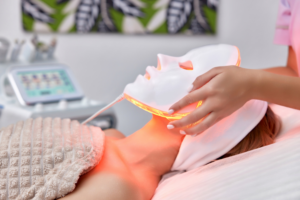
Laser technology has become one of the most effective non-surgical options for addressing sun-related skin concerns. These treatments target damaged skin cells while encouraging the body’s natural healing response.
Individuals struggling with age spots, sunspots, redness, and uneven skin tone may benefit from laser treatments. Advanced laser and light-based therapies can break down unwanted pigmentation and help create a clearer, more even complexion.
In addition to improving discoloration, laser treatments may stimulate collagen production, which can enhance overall skin texture and firmness over time.
Chemical Peels Help Reveal Healthier Skin
One of the most popular methods for improving sun-damaged skin is a professional chemical peel. These treatments remove damaged outer layers of skin, allowing fresher and healthier skin cells to emerge.
Chemical peels can help improve:
- Sunspots
- Uneven skin tone
- Mild wrinkles
- Acne scars
- Rough skin texture
- Dull complexion
Depending on the severity of the damage, providers may recommend a superficial, medium, or deeper peel to achieve the desired results.
Because new skin cells replace damaged ones, many patients notice brighter and smoother skin after a series of treatments.
Microneedling Supports Natural Skin Repair
Sun exposure accelerates collagen loss, making skin appear thinner and less firm. One effective way to address this issue is through microneedling.
Microneedling creates tiny controlled channels in the skin, triggering the body’s natural healing process. As collagen and elastin production increase, the skin gradually becomes firmer and more resilient.
Benefits of microneedling may include:
- Improved skin texture
- Reduced appearance of fine lines
- Smoother skin surface
- Better skin tone
- Enhanced overall skin quality
Because collagen remodeling continues for several weeks after treatment, improvements often become more noticeable over time.
Hydration Plays a Major Role in Skin Recovery
Sun-damaged skin is frequently dehydrated. When the skin lacks moisture, fine lines become more visible and the complexion can appear dull and uneven.
Treatments such as a Hydrafacial help cleanse, exfoliate, and deeply hydrate the skin. This process removes dead skin cells while delivering nourishing ingredients that support skin health.
Hydration-focused treatments can help:
- Restore radiance
- Improve skin texture
- Support a healthy skin barrier
- Reduce dryness
- Enhance overall skin appearance
While hydration alone will not eliminate sun damage, it can significantly improve the skin’s appearance and complement other corrective treatments.
Daily Habits That Prevent Further Damage
Professional treatments are most effective when combined with proper sun protection. Without preventive measures, new damage can continue to develop even after successful treatment.
Important protective habits include:
Wear Sunscreen Every Day
Apply a broad-spectrum sunscreen with SPF 30 or higher daily, even on cloudy days. UV rays can penetrate clouds and windows, contributing to long-term skin damage.
Reapply During Outdoor Activities
Sunscreen should be reapplied every two hours when spending extended time outdoors, especially during activities involving sweating or swimming.
Wear Protective Clothing
Wide-brimmed hats, sunglasses, and UV-protective clothing can provide additional protection against harmful rays.
Avoid Peak Sun Hours
The sun’s rays are typically strongest between 10 a.m. and 4 p.m. Limiting exposure during these hours can help reduce future damage.
Which Treatment Is Right for You?
The best treatment depends on the type and severity of your sun damage. Some individuals primarily struggle with pigmentation, while others are more concerned about texture, wrinkles, or redness.
A professional skin assessment can identify underlying concerns and help determine whether laser therapy, chemical peels, microneedling, Hydrafacial treatments, or a combination approach will provide the most effective results.
Restore Healthier-Looking Skin Without Surgery
Sun damage may be common, but it does not have to be permanent. Advances in aesthetic medicine have made it possible to improve many visible signs of UV exposure without surgery or lengthy recovery periods. By targeting pigmentation, collagen loss, and skin texture concerns, non-surgical treatments can help reveal brighter, smoother, and more youthful-looking skin.
If you’re ready to address sunspots, uneven tone, or other signs of sun damage, the team at Hawkins Aesthetics can help create a personalized treatment plan designed to support your skin health and aesthetic goals.