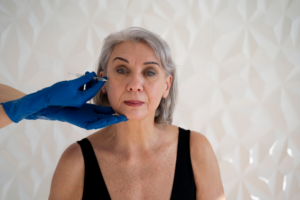
If you’ve been searching for “Kybella near me,” you’re likely looking for a solution to reduce stubborn submental fat—commonly known as a double chin. This FDA-approved injectable treatment has become increasingly popular for its ability to contour the chin and jawline without the need for surgery. However, before booking your appointment, consider several key factors to ensure you’re making the right choice for your aesthetic goals.
What Is Kybella?
Kybella is an injectable treatment that contains deoxycholic acid, a naturally occurring molecule in the body that aids in the breakdown and absorption of dietary fat. When injected into the submental area, Kybella destroys fat cells, resulting in a noticeable reduction in fullness under the chin. Once these fat cells are destroyed, they can no longer store or accumulate fat, offering long-lasting results.
The treatment was approved by the FDA in 2015 specifically for improving the appearance of moderate to severe submental fullness in adults. Since then, it has helped thousands of patients achieve a more defined jawline and improved facial profile.
Am I a Good Candidate for Kybella?
Not everyone is an ideal candidate for Kybella treatment. The best candidates typically have:
- Moderate to severe submental fullness (double chin)
- Good skin elasticity in the treatment area
- A healthy body weight close to their goal
- Realistic expectations about results
- No active infections or skin conditions in the treatment area
Kybella may not be suitable if you have had or plan to have surgery on your face, neck, or chin, or if you have trouble swallowing or have bleeding problems. A consultation with a qualified provider is essential to determine if Kybella is right for you.
What to Expect During Treatment
Understanding the treatment process can help ease any anxiety about your appointment:
1. The Consultation: Your provider will assess your chin profile, discuss your aesthetic goals, and determine if Kybella is the appropriate treatment. They’ll also review your medical history and discuss the number of treatments you may need.
2. The Procedure: The treatment typically takes 15-20 minutes. Your provider will mark the injection sites and may apply ice or a topical numbing agent to minimize discomfort. Kybella is then injected into the treatment area using a fine needle. Most patients receive multiple small injections during each session.
3. Number of Sessions: Most patients require two to four treatment sessions spaced at least one month apart to achieve optimal results. Some may need up to six sessions, depending on the amount of submental fat and desired outcome.
Recovery and Downtime
One of the advantages of Kybella is that it’s a non-surgical treatment with minimal downtime. However, you should be prepared for some common side effects:
- Swelling (often significant, especially after the first treatment)
- Bruising
- Pain or tenderness
- Redness
- Numbness
- Areas of hardness in the treatment area
Swelling is the most common side effect and can last one to two weeks, though it typically peaks within 48-72 hours after treatment. Many patients schedule their treatments before a weekend or time off to allow for recovery. You can usually return to normal activities immediately, but you may want to avoid strenuous exercise for a day or two.
Results Timeline
Patience is key with Kybella treatments. While the injections take only minutes, visible results develop gradually:
- Most patients begin to see noticeable improvement after two to four treatment sessions
- Results become apparent four to six weeks after each treatment as your body naturally processes the destroyed fat cells
- Final results are typically visible about three months after your last treatment session
- Results are permanent—destroyed fat cells cannot regenerate
Choosing the Right Provider
When searching for “Kybella near me,” the proximity of the clinic shouldn’t be your only consideration. The expertise and credentials of your provider are crucial for safe, effective treatment and optimal results.
Look for providers who:
- Are board-certified physicians, nurse practitioners, or physician assistants
- Have specific training and experience with Kybella injections
- Operate in a clean, professional medical environment
- Take time to understand your goals and create a customized treatment plan
- Have before-and-after photos of actual patients
- Provide clear information about costs, potential risks, and expected outcomes
Don’t hesitate to ask about your provider’s experience with Kybella, including how many treatments they’ve performed and their complication rates.
Cost Considerations
Kybella is considered a cosmetic procedure, so it’s typically not covered by insurance. The cost varies depending on several factors:
- Geographic location
- Provider’s expertise and credentials
- Number of vials needed per session
- Total number of treatment sessions required
While cost is an important factor, it shouldn’t be the only consideration. Choosing a highly qualified provider may cost more initially but can help ensure safe, effective results and minimize the risk of complications.
Potential Risks and Complications
While Kybella is FDA-approved and generally safe when administered by a qualified provider, it’s important to be aware of potential risks:
- Nerve injury in the jaw that can cause an uneven smile or facial muscle weakness (usually temporary)
- Trouble swallowing
- Injection site problems such as bruising, hair loss, open sores, and damage or tissue cell death around the injection site
Serious side effects are rare when Kybella is administered properly. This is why choosing an experienced, qualified provider is so important.
Alternatives to Consider
Before committing to Kybella, you may want to discuss alternative treatments with your provider:
1. CoolSculpting: A non-invasive fat reduction treatment that uses controlled cooling to eliminate fat cells. It requires no injections and typically involves less swelling than Kybella.
2. Liposuction: A surgical option that removes fat through suction. It provides immediate, dramatic results but requires anesthesia and involves more downtime.
3. Ultherapy or Radiofrequency Treatments: These can help tighten skin and may be suitable for patients with mild submental fullness and good skin elasticity.
Your provider can help you understand which option aligns best with your goals, budget, and tolerance for downtime.
Questions to Ask During Your Consultation
Come prepared to your consultation with questions such as:
- How many Kybella treatments do you think I’ll need?
- What results can I realistically expect?
- What are the most common side effects you’ve seen in your patients?
- How much experience do you have with Kybella?
- What happens if I’m not satisfied with my results?
- Are there any reasons I might not be a good candidate?
- What is the total estimated cost for my treatment plan?
Making Your Decision
Finding “Kybella near me” is just the first step. Take time to research providers, schedule consultations, and carefully consider whether this treatment aligns with your aesthetic goals and lifestyle. The right provider will never pressure you into treatment and will ensure you have all the information needed to make a confident decision.
At Hawkins Aesthetics, we’re committed to helping our patients achieve their aesthetic goals through safe, effective treatments tailored to their unique needs. If you’re considering Kybella treatment, we invite you to schedule a consultation to discuss whether this innovative injectable is right for you.
Ready to take the next step toward a more sculpted, confident profile? Contact us today to learn more about Kybella and schedule your personalized consultation.