Hair loss doesn’t happen overnight—and neither does hair restoration. Whether you’re considering PRP (Platelet-Rich Plasma) therapy or have already started treatment, understanding the timeline can help set realistic expectations and keep you motivated throughout the process.
Hair restoration is a gradual biological journey. Your hair follicles need time to respond, regenerate, and produce visible growth. While results vary from person to person, most patients follow a similar month-by-month progression. Knowing what to expect at each stage helps eliminate uncertainty and ensures you stay consistent with your treatment plan.
Why Hair Restoration Takes Time
Hair grows in cycles—anagen (growth), catagen (transition), and telogen (resting/shedding). Hair restoration treatments work by stimulating dormant follicles and improving scalp health, but these biological processes cannot be rushed.
PRP therapy, for example, uses growth factors from your own blood to rejuvenate hair follicles. This stimulation doesn’t immediately produce visible hair but initiates internal repair mechanisms that take weeks or months to translate into noticeable changes.
Month 1: The Starting Point
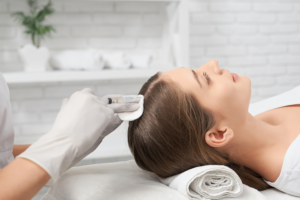
The first month typically includes your initial treatment session. For many patients, this is when PRP injections are administered into the scalp.
What to expect:
- Mild redness or tenderness in the treated area
- No visible hair growth yet
- Possible slight shedding (this is normal)
This early shedding phase can be surprising, but it’s actually a positive sign. Weak, damaged hairs are being pushed out to make room for stronger, healthier strands.
At this stage, the focus is internal. The treatment is activating blood circulation, delivering nutrients to hair follicles, and beginning the regeneration process.
Month 2: Shedding and Adjustment
By the second month, some patients notice increased shedding. This phase is often referred to as “shock loss,” and while it may feel discouraging, it is temporary.
What’s happening beneath the surface:
- Dormant follicles are being stimulated
- Old hairs are shedding to allow new growth
- The scalp environment is improving
It’s important to stay consistent with follow-up treatments and avoid panic. Many people mistakenly think the treatment isn’t working during this phase, when in reality, it’s a crucial step in the restoration process.
Month 3: Early Signs of Change
Around the third month, subtle improvements may begin to appear.
You might notice:
- Reduced hair shedding
- Slight thickening of existing hair
- Improved scalp health
While visible growth may still be minimal, the foundation is being laid. Hair follicles are transitioning into the active growth phase, and your scalp is becoming more supportive of sustained hair production.
Patients who stick with their treatment plan often begin to feel more confident during this stage, as the initial shedding slows down and stability returns.
Month 4: New Growth Begins
This is when many patients start to see the first real signs of new hair growth.
What to expect:
- Fine, soft “baby hairs” appearing in thinning areas
- Increased hair density in some regions
- Gradual improvement in texture
These new hairs may be thin and light at first, but they indicate that the follicles are responding well. Over time, these strands will become thicker and stronger.
Consistency is key here. Skipping treatments or neglecting aftercare can slow progress.
Month 5: Noticeable Improvements
By the fifth month, the changes become more visible—not just to you, but to others as well.
Common developments:
- Improved hair volume
- Stronger, thicker strands
- Reduced visibility of scalp in thinning areas
Hair may still not be at its full potential, but the transformation is clearly underway. Many patients report increased confidence at this stage, as styling becomes easier and hair appears healthier overall.
Month 6: Significant Progress
The six-month mark is often considered a major milestone in hair restoration.
At this point:
- Hair density has noticeably improved
- New growth is more consistent across treated areas
- Existing hair appears fuller and more resilient
For many patients, this is when results feel “real.” The combination of new growth and strengthened existing hair creates a fuller appearance that continues to improve over time.
Follow-up treatments may still be recommended to maintain and enhance results.
Month 7–8: Strength and Thickness
During months seven and eight, the focus shifts from new growth to strengthening and thickening.
What’s happening:
- New hairs continue to mature
- Hair shafts become thicker and darker
- Overall volume improves further
This stage often brings the most satisfaction, as hair not only grows but also looks healthier and more natural. Styling becomes easier, and previously thinning areas begin to blend seamlessly with the rest of your hair.
Month 9–10: Refinement Phase
By months nine and ten, your results are becoming more refined and consistent.
You may notice:
- Even distribution of hair growth
- Minimal shedding
- Improved hairline definition (if treated)
This phase is about fine-tuning. The dramatic changes have already occurred, and now your hair continues to improve in quality, density, and appearance.
Maintenance treatments may be introduced during this time to sustain long-term results.
Month 11–12: Full Results
At the one-year mark, most patients see the full benefits of their hair restoration treatment.
Final outcomes typically include:
- Maximum hair density achieved
- Strong, healthy, and الطبيعي-looking hair
- Long-lasting improvement in overall appearance
While individual results vary, this stage represents the culmination of months of consistent care and biological regeneration.
Factors That Influence Your Timeline
Not everyone progresses at the exact same pace. Several factors can affect how quickly you see results:
1. Severity of Hair Loss
Early-stage hair thinning responds faster than advanced hair loss. The more active follicles you have, the better your results tend to be.
2. Age and Genetics
Younger patients or those without strong genetic hair loss patterns may see quicker improvements.
3. Treatment Consistency
Skipping sessions or delaying treatments can slow down your progress significantly.
4. Lifestyle and Nutrition
Diet, stress levels, and overall health play a major role in hair growth. Nutrient deficiencies or chronic stress can impact results.
5. Aftercare Routine
Following post-treatment instructions, using recommended products, and avoiding harsh styling practices all contribute to success.
How to Maximize Your Results
Hair restoration is not just about the treatment itself—it’s about the habits you build around it.
To get the best outcomes:
- Stay consistent with your treatment schedule
- Maintain a balanced diet rich in vitamins and protein
- Manage stress through healthy routines
- Use gentle, hair-friendly products
- Follow your provider’s aftercare guidelines
Combining professional treatments with proper self-care creates the ideal environment for hair growth.
When to Consider Maintenance Treatments
Hair restoration is not always a one-time solution. Maintenance sessions are often recommended to preserve your results and prevent future hair loss.
Most patients benefit from:
- Periodic PRP sessions every few months
- Ongoing scalp care and monitoring
- Adjustments based on changing hair needs
Think of maintenance as protecting your investment. Just like skincare or fitness, consistency ensures long-term success.
Final Thoughts
Hair restoration is a journey—not an instant fix. Each month brings you closer to stronger, fuller, healthier hair, but patience and consistency are essential.
Understanding the timeline helps set realistic expectations and keeps you motivated, even during phases where progress feels slow. From initial shedding to visible regrowth and long-term results, every stage plays a critical role in your transformation.
With the right treatment plan and commitment, hair restoration can deliver natural-looking, confidence-boosting results that continue to improve over time. At Hawkins Aesthetics, personalized treatment plans and expert care ensure that every patient experiences a results-driven approach tailored to their unique hair restoration goals.