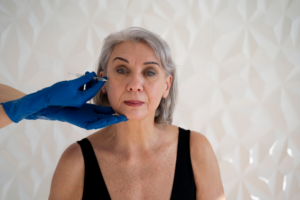
If you’re considering a chemical peel, you’re probably wondering what kind of transformation you can realistically expect. While scrolling through dramatic before-and-after photos online can be inspiring, understanding what results are achievable for your specific skin concerns is essential for setting the right expectations.
At Hawkins Aesthetics, we believe in transparency and education. Let’s walk through what you can truly expect from chemical peel treatments, the timeline for seeing results, and how different peel depths deliver different outcomes.
Understanding Chemical Peels: The Basics
Chemical peels work by applying a specialized acid solution to the skin, which causes controlled exfoliation of damaged outer layers. This process stimulates cellular turnover and collagen production, revealing fresher, healthier skin underneath.
The depth of the peel determines both the intensity of results and the recovery time required. There are three main categories:
1. Superficial Peels use mild acids like glycolic or lactic acid to gently exfoliate the outermost layer of skin. These are perfect for maintaining healthy skin, addressing minor texture issues, and creating a subtle glow.
2. Medium Peels penetrate deeper into the skin using stronger acids like trichloroacetic acid (TCA). They’re effective for treating moderate sun damage, pigmentation issues, and fine lines.
3. Deep Peels reach the deeper layers of the dermis and produce the most dramatic results, but also require significant downtime and are performed less frequently.
What Skin Concerns Do Chemical Peels Address?
Chemical peels are remarkably versatile treatments that can improve numerous skin concerns. Here’s what they excel at treating:
Hyperpigmentation and Sun Damage
One of the most visible improvements from chemical peels is the reduction of dark spots, melasma, and sun damage. Medium-depth peels can significantly lighten hyperpigmentation, with many patients seeing a 50-70% improvement after a series of treatments. The results continue to improve over several weeks as the skin heals and regenerates.
Fine Lines and Wrinkles
Chemical peels stimulate collagen production, which helps smooth fine lines around the eyes, mouth, and forehead. While they won’t eliminate deep wrinkles, superficial and medium peels can soften their appearance and prevent new lines from forming. The skin appears plumper and more youthful as collagen rebuilds over the months following treatment.
Acne and Acne Scarring
Salicylic acid peels are particularly effective for active acne, helping to unclog pores and reduce breakouts. For acne scarring, medium-depth peels can improve texture and reduce the appearance of shallow scars by promoting skin remodeling. Deep ice-pick scars may require additional treatments, but overall skin texture typically improves noticeably.
Uneven Texture and Enlarged Pores
If your skin feels rough or bumpy, chemical peels can create a dramatically smoother surface. The exfoliation process removes dead skin cells and debris, while the stimulation of new cell growth creates a more refined texture. Pores appear smaller as the skin becomes firmer and more taut.
Dullness and Lack of Radiance
Even a light chemical peel can restore a healthy glow to tired, dull skin. By removing the buildup of dead cells on the skin’s surface, peels reveal the brighter, more luminous skin beneath. Many patients notice their skin looks more radiant and even-toned within days of treatment.
The Chemical Peel Timeline: What to Expect Week by Week
Understanding the healing process helps you plan around your treatment and appreciate the gradual improvements in your skin.
Immediately After Treatment (Days 1-2)
Right after your peel, your skin may appear red or pink, similar to a mild sunburn. With superficial peels, this redness typically subsides within a few hours. Medium peels may leave your skin feeling tight and looking noticeably red for a day or two.
You won’t see dramatic results yet, but your skin is already beginning the regeneration process beneath the surface.
The Peeling Phase (Days 3-7)
This is when visible peeling occurs, and it’s important to let the skin shed naturally without picking or forcing the process. Superficial peels may cause light flaking that’s barely noticeable, while medium peels can produce more obvious peeling that resembles a sunburn aftermath.
Your skin may look worse before it looks better during this phase, which is completely normal. Resist the urge to pick at peeling skin, as this can lead to scarring or hyperpigmentation.
Initial Results (Week 2)
Once peeling subsides, you’ll notice your skin looks fresher and feels smoother. The surface texture is refined, and any dullness is replaced with a healthy glow. Pigmentation may look lighter, though full results take longer to develop.
This is when many patients get their first real glimpse of their improved skin and feel excited about the changes.
Continued Improvement (Weeks 2-8)
The most dramatic improvements continue to develop over the following weeks and months. Collagen production increases, fine lines continue to soften, and pigmentation continues to fade. With medium peels, you’ll see progressive improvements for up to three months after treatment.
This is why patience is crucial with chemical peels. The final results are worth waiting for.
Before & After Expectations by Peel Type
Superficial Peel Results
Think of superficial peels as a skin refresh button. You can expect a brighter complexion, smoother texture, and a reduction in minor discoloration. Fine lines may appear slightly softer, and your skin will have a healthy, polished glow.
These peels are ideal for maintaining results between more intensive treatments or for those new to chemical peels. Many patients incorporate them into their regular skincare routine every 4-6 weeks.
Medium Peel Results
Medium peels deliver more dramatic transformation. Expect significant improvement in sun damage, with dark spots fading by 50-80% depending on their severity. Fine lines around the eyes and mouth become noticeably softer, and overall skin texture becomes significantly smoother.
Acne scarring shows visible improvement, and skin tone appears more even and youthful. The results from a single medium peel can last several months, with optimal results often achieved through a series of treatments.
Deep Peel Results
Deep peels produce the most striking before-and-after transformations. They can dramatically reduce deep wrinkles, significantly improve severe sun damage, and even remove precancerous growths. The skin appears years younger, with a major improvement in texture and tone.
However, deep peels require significant downtime—often several weeks—and carry more risks. They’re typically performed only once and require extensive pre-treatment preparation and post-treatment care.
Maximizing Your Chemical Peel Results
The quality of your results depends partly on how well you care for your skin before and after treatment.
Pre-Treatment Preparation
Your skincare professional may recommend preparing your skin with specific products for 2-4 weeks before your peel. This often includes retinoids, hydroquinone for pigmentation, and daily sunscreen. Proper preparation ensures the peel penetrates evenly and reduces the risk of complications.
Post-Treatment Care
Following your provider’s aftercare instructions is crucial for optimal results. This typically includes gentle cleansing, regular moisturizing, avoiding sun exposure, and using high-SPF sunscreen religiously. Your skin is more vulnerable to sun damage after a peel, so UV protection is non-negotiable.
Avoid harsh skincare products, exfoliants, and active ingredients until your skin has fully healed. Your provider will guide you on when to resume your regular skincare routine.
Maintenance Treatments
Most skin concerns require a series of peels for optimal results. Superficial peels are often performed every 4-6 weeks for a series of 3-6 treatments. Medium peels may be spaced 3-6 months apart. Your skincare professional will design a treatment plan tailored to your specific goals.
Realistic Expectations: What Chemical Peels Cannot Do
While chemical peels are powerful treatments, it’s important to understand their limitations.
Chemical peels cannot eliminate deep wrinkles or significantly tighten severely sagging skin. For these concerns, treatments like Botox, dermal fillers, or laser resurfacing may be more appropriate.
They also cannot completely eliminate deep acne scars, though they can improve their appearance. Severe scarring may require combining peels with other treatments like microneedling or laser therapy.
Finally, results aren’t permanent. Your skin continues to age and is exposed to environmental stressors daily. Maintenance treatments and a good skincare routine are essential for prolonging your results.
Are Chemical Peels Right for You?
The best way to determine what results you can expect from a chemical peel is through a personalized consultation with a qualified skincare professional. They’ll assess your skin type, concerns, and goals to recommend the most appropriate peel depth and treatment plan.
During your consultation, be honest about your expectations and ask to see before-and-after photos of patients with similar skin concerns. This gives you a realistic preview of what’s achievable for your specific situation.
At Hawkins Aesthetics, we’re committed to helping you achieve your best skin through customized treatment plans and expert care. Chemical peels can be transformative when performed correctly and paired with proper skincare, delivering smoother, clearer, more youthful-looking skin that helps you feel confident and radiant.
Ready to discover what a chemical peel can do for your skin? Schedule a consultation today to discuss your goals and create a personalized treatment plan that delivers the results you’re looking for.