Acne-prone and sensitive skin can be challenging to manage. Breakouts, excess oil, redness, and irritation often make it difficult to find skincare treatments that support a clearer complexion without causing additional discomfort. While harsh products and aggressive exfoliation may worsen sensitivity, gentle professional treatments can offer another approach to maintaining healthy-looking skin.
LED facials combine professional skincare with light-emitting diode (LED) therapy to address specific skin concerns. Depending on the light wavelength used, treatment may help manage acne-causing bacteria, calm visible redness, and support skin recovery.
For people looking for a gentle addition to their skincare routine, an LED facial may be worth considering. The right treatment depends on your skin type, current concerns, and individual needs.
How Does LED Light Therapy Work?
LED light therapy uses specific wavelengths of light to interact with the skin. Unlike ultraviolet (UV) light, the wavelengths used in professional LED treatments are designed for targeted skincare applications.
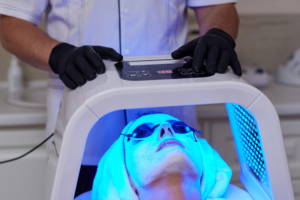
Different wavelengths serve different purposes. Blue light is commonly used to target acne-associated bacteria, while red light may help support the skin’s natural repair processes and reduce visible inflammation.
A professional assessment helps determine which light settings may suit your skin concerns. LED therapy can also be combined with cleansing and hydrating steps to create a more complete facial treatment.
Can LED Facials Help With Acne-Prone Skin?
LED facials may support acne management, particularly when breakouts are mild. Blue light can target Cutibacterium acnes, a bacterium associated with acne, while selected red-light treatments may help address inflammation.
However, LED therapy does not address every cause of acne. Hormonal changes, excess oil production, clogged pores, and other factors can contribute to recurring breakouts. Some people may need prescription treatments or a dermatologist’s guidance.
1. Helps Target Acne-Associated Bacteria
Blue LED light is used in some acne treatments to target bacteria associated with inflammatory breakouts. Reducing this bacterial activity may help improve the appearance of mild acne over time.
Results vary, and LED therapy should not be considered a guaranteed solution for persistent or severe acne.
2. May Help Reduce Visible Inflammation
Inflamed blemishes can leave the skin looking red and irritated. Certain red-light treatments may help support the skin’s natural healing response and reduce visible inflammation.
The results depend on the treatment protocol and the individual’s skin condition. A qualified provider can help determine whether LED therapy is appropriate for your concerns.
3. Offers a Gentle Treatment Option
Some acne treatments cause dryness, peeling, or irritation, especially when used too frequently. LED therapy does not rely on abrasive exfoliation, making it a potential option for people who prefer a non-invasive treatment.
It can complement an appropriate skincare routine, although it does not replace established acne treatments when those are needed.
For more targeted support, explore the Clarifying Acne Facial, which focuses on cleansing, congestion, and acne-prone skin.
Is an LED Facial Suitable for Sensitive Skin?
Sensitive skin may react to fragrances, strong active ingredients, exfoliation, or environmental changes. This can make choosing a facial more difficult.
LED therapy is generally well tolerated when the appropriate device settings and precautions are used. However, sensitive skin is not automatically suitable for every treatment. The cause of the sensitivity, existing skin conditions, and medications all matter.
1. May Help Calm the Appearance of Redness
Selected red-light treatments may support the skin’s natural recovery processes and help reduce the appearance of inflammation. This can be useful for some people who experience occasional irritation or visible redness.
Persistent redness, burning, or suspected rosacea requires an appropriate assessment before choosing a cosmetic facial.
2. Avoids Aggressive Physical Exfoliation
Traditional facials may include scrubs, extractions, or exfoliating ingredients. Although these steps can benefit some skin types, they may aggravate a compromised skin barrier.
LED therapy itself does not physically scrub or peel the skin. A customized facial can therefore be an option for people who need a gentler approach, provided the accompanying products and techniques are also suitable.
3. Can Fit Into a Personalized Skincare Plan
Sensitive skin often benefits from a simple routine that supports the skin barrier. Gentle cleansing, suitable moisturizers, and daily broad-spectrum sunscreen remain important.
An LED facial may complement these habits, but it should not replace them. Your provider can recommend a treatment approach based on your skin’s tolerance and goals.
What Happens During an Express Facial With LED Lights?
At Hawkins Aesthetics, the Express Facial with LED Lights in Frederick, MD, combines cleansing and hydration with targeted light therapy in an approximately 30-minute appointment.
The treatment generally includes:
- Double cleansing: Removes makeup, surface impurities, and excess oil.
- Customized mask: Addresses your skin’s needs with a suitable mask selected by the aesthetician.
- Hydrating serums: Help replenish moisture and improve skin softness.
- Facial massage: Adds a relaxing step to the treatment.
- LED light therapy: Uses selected light settings to target concerns such as acne, visible redness, or signs of aging.
The treatment is designed for people who want a quick skincare refresh without a lengthy appointment. Your provider can discuss whether it is suitable for your skin and which light settings may be appropriate.
Learn more about the Express Facial with LED Lights and its treatment process.
LED Facial vs. Other Facial Treatments
LED facials are not the only option for acne-prone or sensitive skin. Different treatments address different concerns, so the most suitable choice depends on your goals.
LED Facial
An LED facial combines skincare with targeted light therapy. It may suit people looking for a non-invasive treatment to complement their routine and address selected concerns, such as mild acne or visible inflammation.
Clarifying Acne Facial
A clarifying acne facial focuses on cleansing, congestion, and excess oil. At Hawkins Aesthetics, this treatment is designed specifically for acne-prone skin and may be worth discussing if clogged pores and recurring breakouts are your main concerns.
HydraFacial
A HydraFacial combines cleansing, exfoliation, extraction, and hydration. It may suit people looking to improve skin texture, congestion, and dehydration. If your skin is particularly reactive, discuss the exfoliation and extraction steps with your provider first.
How to Prepare for an LED Facial
Preparing your skin properly can help make the appointment more comfortable.
- Avoid excessive sun exposure: Protect your skin and avoid tanning before your appointment.
- Review active skincare ingredients: Ask your provider whether you should pause retinoids, exfoliating acids, or other potentially irritating products.
- Arrive with clean skin: Follow the clinic’s instructions about makeup and skincare products before treatment.
- Discuss medications and skin conditions: Mention any ongoing skin concerns, recent procedures, or medications that could affect treatment suitability.
- Share your treatment goals: Explain whether acne, redness, sensitivity, or dullness is your primary concern.
If your skin is experiencing a severe flare-up, open wounds, an active infection, or unexplained irritation, seek professional guidance before proceeding.
What Should You Do After an LED Facial?
Aftercare helps protect your skin and maintain a consistent skincare routine.
- Use a gentle cleanser and a moisturizer suited to your skin type.
- Apply broad-spectrum sunscreen with SPF 30 or higher during the day.
- Avoid introducing multiple new skincare products immediately after treatment.
- Follow your provider’s advice about restarting exfoliants and retinoids.
- Monitor your skin for unusual redness, discomfort, or irritation.
Most people tolerate appropriately performed LED treatments well, but individual responses vary. Contact your provider if you experience an unexpected reaction.
How Often Should You Get an LED Facial?
The recommended frequency depends on your skin condition, treatment device, and desired results. Some people may benefit from a series of sessions, while others may use LED therapy as part of an occasional maintenance facial.
Consistency can matter, but more frequent treatment is not necessarily better. Follow the schedule recommended by your provider rather than increasing session frequency on your own.
If acne persists, becomes painful, or begins to leave scars, consult a dermatologist. Professional medical treatment may be more appropriate than relying on facials alone.
Final Thoughts
LED facials may offer a gentle way to support skincare goals for people dealing with mild acne, visible redness, or sensitivity. The best results come from choosing a suitable treatment, following consistent home care, and understanding what LED therapy can realistically achieve.
At Hawkins Aesthetics in Frederick, MD, the Express Facial with LED Lights combines cleansing, hydration, and targeted light therapy in a convenient appointment. If you are unsure which facial suits your skin, a personalized consultation can help you compare the available options and choose an approach that aligns with your needs.
Book a consultation with Hawkins Aesthetics to discuss your skin concerns and explore suitable facial treatments.