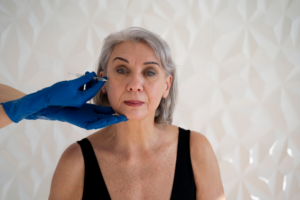
Fine lines can become more noticeable over time, especially around the forehead, between the eyebrows, and around the eyes. If you are considering Botox to soften these expression lines, one of the most common questions is how often you need treatment to maintain your results.
There is no single schedule that works for everyone. Botox gradually wears off as the targeted muscles regain movement, so treatment frequency depends on factors such as your metabolism, muscle activity, treatment area, dosage, and individual aesthetic goals.
For many people, Botox treatments are repeated every few months. However, your provider can recommend a schedule based on how your previous treatment performed and how quickly movement and fine lines return.
How Does Botox Help With Fine Lines?
Botox is a neuromodulator that temporarily reduces the activity of specific muscles responsible for repetitive facial movements. When these muscles contract less, the skin folds less frequently, helping soften dynamic wrinkles.
Common areas treated with Botox include:
- Forehead lines
- Frown lines between the eyebrows
- Crow’s feet around the eyes
- Other expression-related lines
At Hawkins Aesthetics, Botox and Dysport are used as wrinkle-relaxing treatments, with dosing tailored to factors such as the individual’s muscle strength and the area being treated.
How Often Should You Get Botox for Fine Lines?
For many patients, Botox is repeated approximately every three to four months. Some people may find that their results last longer, while others notice muscle movement and fine lines returning sooner.
Rather than automatically scheduling treatment at a fixed interval, it is helpful to pay attention to how your results change over time.
You may notice:
1. Reduced muscle movement immediately after the treatment period begins
2. Smoother-looking skin as the Botox takes effect
3. Gradual return of muscle movement as the treatment wears off
4. Fine lines becoming more visible again over time
Hawkins Aesthetics notes that Botox and Dysport generally begin taking effect within about 2–8 days, with final results assessed around two weeks.
Your provider can use your response to previous treatments to help determine an appropriate maintenance schedule.
Why Does Botox Wear Off?
Botox does not permanently stop muscle activity. Its effects are temporary, which is why maintenance treatments are needed if you want to continue softening dynamic wrinkles.
Over time, the body naturally processes the product, and the treated muscles gradually regain movement. As movement returns, expression lines may begin to become visible again.
How long your results last can vary based on:
- The treatment area
- Your facial muscle strength
- The amount of product used
- Your metabolism
- How frequently you make certain facial expressions
- Your individual response to treatment
Because of these differences, one person’s ideal Botox schedule may not be the same as another person’s.
Should You Wait Until Fine Lines Return Before Getting Botox?
Not necessarily. Your treatment schedule should be based on your individual results and your provider’s recommendations rather than waiting until wrinkles become deeply noticeable.
Some patients prefer to maintain a consistent appearance by scheduling treatments before the previous results have completely disappeared. Others may prefer to wait until more movement has returned.
The goal should be a personalized treatment plan rather than treating according to a rigid calendar.
If you are considering Botox for the first time, a consultation can help determine whether wrinkle relaxers are appropriate for your concerns and what type of treatment plan may suit you.
Can Regular Botox Prevent Fine Lines From Getting Deeper?
Botox can help reduce repetitive muscle movement that contributes to dynamic wrinkles. When facial muscles contract repeatedly, the skin folds in the same areas again and again. Over time, these expression lines can become more noticeable even when the face is at rest.
Reducing this repeated movement may help slow the progression of certain expression-related lines.
However, Botox does not address every cause of facial aging. Fine lines can also be influenced by sun exposure, collagen loss, skin quality, genetics, and the natural aging process.
For that reason, Botox may be one part of a broader approach to maintaining smoother-looking skin.
What Happens If You Get Botox Too Frequently?
More frequent treatment is not necessarily better. Botox should be administered according to an individualized treatment plan determined by a qualified provider.
The amount used and the timing between treatments can affect the overall result. Treating too aggressively may produce an appearance that does not match your aesthetic goals.
A conservative, personalized approach can help preserve natural facial movement while softening unwanted lines.
At Hawkins Aesthetics, treatment is tailored to the individual’s muscle strength and the specific area being treated, with the goal of creating natural-looking results.
How Can You Make Your Botox Results Last?
While you cannot completely stop Botox from wearing off, taking good care of your skin can support your overall aesthetic goals.
Consider maintaining a consistent skincare routine that includes:
- Daily broad-spectrum sunscreen
- Gentle cleansing
- Regular moisturizing
- Products appropriate for your skin type
- Healthy hydration and nutrition
- Avoiding excessive sun exposure
It is also important to follow the specific aftercare instructions provided by your injector after treatment.
Hawkins Aesthetics provides post-injection guidance designed to support recovery and help patients care for their treated areas following injectable treatments.
Can Botox Be Combined With Other Skin Treatments?
Yes. Botox primarily targets muscle movement, while other aesthetic treatments address different aspects of skin aging.
For example, dermal fillers can help restore lost facial volume, while treatments such as microneedling can improve skin texture and stimulate collagen production.
Hawkins Aesthetics offers dermal filler treatments as well as microneedling services, which may complement a broader facial rejuvenation plan.
The right combination depends on your skin condition, facial anatomy, and goals. Your provider can determine whether combining treatments makes sense for you.
What If Your Fine Lines Are Not Caused by Muscle Movement?
Not every fine line responds equally well to Botox. Dynamic wrinkles caused primarily by repeated muscle movement tend to be the most appropriate target for wrinkle relaxers.
Lines that remain visible when your face is completely relaxed may have other contributing factors, including collagen loss, sun damage, dehydration, or changes in skin elasticity.
In these situations, another treatment may be more appropriate, or a combination of treatments may provide better results.
For example, Hawkins Aesthetics offers skin-focused treatments such as laser facials, HydraFacial, chemical peels, and microneedling as part of its broader aesthetic services.
How Do You Know When It Is Time for Your Next Botox Treatment?
There are several signs that your previous Botox treatment may be wearing off:
- Movement is returning to the treated area.
- Forehead or frown lines are becoming more noticeable.
- Crow’s feet are appearing again when you smile or squint.
- You are no longer seeing the same smoothing effect.
- You feel that your facial movement has returned to your usual baseline.
Rather than automatically treating at a specific interval, discuss these changes with your provider. Your next appointment can be adjusted based on your previous results and your current goals.
Final Thoughts
So, how often should you get Botox for fine lines? For many people, treatments are repeated every few months, but there is no universal schedule. The ideal timing depends on how your body responds, how quickly muscle movement returns, the treatment area, and the results you want to maintain.
Botox can be an effective option for softening dynamic fine lines while maintaining natural facial expression when it is appropriately planned and administered. A personalized consultation is the best way to determine whether Botox is right for you and how often you may benefit from treatment.
At Hawkins Aesthetics, treatment plans are tailored to each patient’s facial anatomy, concerns, and aesthetic goals. If you are considering Botox for fine lines, discuss your goals with the Hawkins Aesthetics team to develop an appropriate treatment plan.