Many people associate skin aging with deep wrinkles, significant sagging, or noticeable age spots. However, the aging process begins much earlier than most realize. Long before major changes appear, the skin often sends subtle signals that collagen production is slowing, hydration levels are decreasing, and environmental damage is accumulating.
Recognizing these early warning signs can help you take proactive steps to maintain healthy, youthful-looking skin for years to come. The sooner these changes are addressed, the more options are available to support skin health and slow the visible effects of aging.
Skin Looks Duller Than It Used To
One of the earliest signs of skin aging is a loss of natural radiance. Healthy young skin reflects light evenly, creating a bright and vibrant appearance. As we age, cell turnover slows down, causing dead skin cells to accumulate on the surface.
This buildup can make the complexion appear tired, uneven, or lackluster, even when you’re getting enough sleep and following a consistent skincare routine.
If your skin no longer has the glow it once did, it may be an indication that aging processes are already beginning beneath the surface.
Fine Lines That Appear Only During Facial Expressions
Many people don’t pay attention to faint lines that appear when smiling, frowning, or squinting because they disappear once the face relaxes. These are known as dynamic lines, and they often develop before wrinkles become permanent.
Over time, repeated facial movements combined with declining collagen and elastin can cause these temporary lines to remain visible even when the face is at rest.
Areas where dynamic lines commonly first appear include:
- Around the eyes
- Between the eyebrows
- Across the forehead
- Around the mouth
Addressing these concerns early can help preserve a smoother appearance over time.
Changes in Skin Texture
Aging skin often feels different before it looks significantly different. You may notice that your skin becomes rougher, less smooth, or develops small areas of uneven texture.
These changes occur because the skin’s natural renewal process slows with age. Environmental factors such as sun exposure, pollution, and lifestyle habits can further contribute to texture irregularities.
When makeup begins settling into certain areas or skincare products no longer absorb as evenly, changes in texture may be one of the underlying causes.
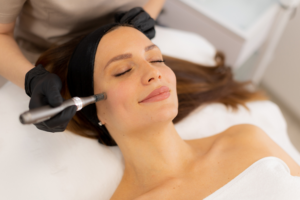
Many patients explore professional skin rejuvenation treatments when texture concerns become more noticeable, as these treatments can help stimulate healthy skin renewal and improve overall skin quality.
Enlarged Pores
While enlarged pores are often associated with oily skin, they can also be an early indicator of aging.
As collagen levels decline, the structures that support the skin become weaker. This loss of firmness can make pores appear larger and more noticeable, especially on the nose, cheeks, and forehead.
Many individuals focus solely on pore size without realizing that reduced skin elasticity may be contributing to the issue.
Increased Dryness and Dehydration
Skin naturally produces less oil as we age. As a result, many people begin experiencing dryness, tightness, or dehydration even if they previously had normal or oily skin.
Signs of age-related dehydration may include:
- Flaky patches
- Tight skin after cleansing
- Increased sensitivity
- More visible fine lines
- Reduced skin plumpness
Maintaining proper hydration becomes increasingly important as the skin’s moisture barrier changes over time.
Skin Doesn’t Bounce Back as Quickly
Elasticity is one of the skin’s most important characteristics. Young skin quickly returns to its original shape after being stretched or compressed.
As collagen and elastin production decrease, the skin gradually loses this resilience. Many people first notice this change when they wake up with sleep lines that take longer to disappear or observe that their skin feels less firm than before.
A slight reduction in elasticity is often one of the earliest indicators that the aging process is underway.
Subtle Volume Loss
When people think of facial aging, they often imagine significant sagging. However, volume loss frequently begins years before noticeable sagging develops.
The face naturally loses fat, collagen, and structural support over time. Early signs may include:
- Slight flattening of the cheeks
- Less definition along facial contours
- Hollowing under the eyes
- Reduced fullness around the temples
Because these changes occur gradually, many people do not notice them until they compare current photos with older ones.
Uneven Skin Tone
Sun exposure accumulated over many years often becomes visible through subtle pigmentation changes.
Early signs can include:
- Small sunspots
- Mild discoloration
- Redness that lingers longer than usual
- Uneven patches of pigmentation
Even individuals who do not spend excessive time outdoors may begin noticing these changes as previous sun damage becomes more apparent.
Daily sun protection remains one of the most effective ways to minimize further discoloration and protect long-term skin health.
Makeup Doesn’t Sit the Same Way
Many people first recognize skin aging through changes in how makeup applies rather than changes they see directly in the mirror.
Foundation may settle into fine lines, cling to dry patches, or appear uneven throughout the day. These issues often result from subtle shifts in hydration, texture, elasticity, and skin structure.
When makeup suddenly behaves differently despite using the same products, the skin itself may be undergoing age-related changes.
Longer Recovery From Skin Stress
Young skin typically recovers quickly from irritation, dryness, environmental exposure, and minor inflammation. Aging skin often takes longer to repair itself.
You may notice:
- Redness lasting longer
- Increased sensitivity
- Slower healing of blemishes
- More visible irritation after treatments
This slower recovery can indicate changes in the skin’s natural repair mechanisms and barrier function.
Why Early Detection Matters
The goal of aesthetic care isn’t simply to treat visible aging after it occurs. It is often more effective to support skin health before significant concerns develop.
Early intervention allows for personalized strategies that can help maintain collagen production, improve hydration, enhance skin quality, and support long-term skin health. Small improvements made early can have a significant impact on how the skin ages over time.
Rather than waiting for deep wrinkles or substantial volume loss, paying attention to subtle changes can help preserve a refreshed, natural appearance for years to come.
Supporting Healthy Skin at Every Age
Skin aging is a natural process, but understanding its early signs empowers you to make informed decisions about your skincare and aesthetic treatments. Dullness, texture changes, enlarged pores, reduced elasticity, and mild volume loss may seem minor at first, but they often signal larger changes occurring beneath the surface.
At Hawkins Aesthetics, we believe healthy, beautiful skin begins with prevention and personalized care. Through professional skin assessments and customized treatment plans, our team helps patients identify early concerns and develop solutions tailored to their unique skin goals. By addressing aging proactively, you can maintain confidence in your skin and enjoy healthier, more radiant results for years to come.