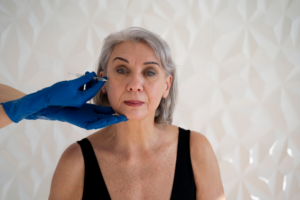
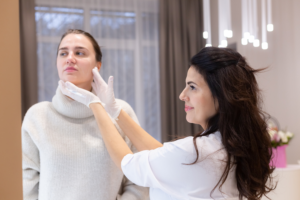
If you’ve spent any time researching skincare treatments, you’ve likely come across microneedling — a procedure that sounds intimidating (yes, it involves tiny needles) but has earned a loyal following for its ability to address some of the most stubborn skin concerns. Acne scars that linger years after breakouts cleared up. Pores that seem to grow more visible with age. Fine lines and wrinkles that no serum seems to budge.
But does microneedling actually deliver on its promises? Let’s break it down — honestly, thoroughly, and without the marketing fluff.
What Is Microneedling, Exactly?
Microneedling — also called collagen induction therapy — is a minimally invasive procedure that uses a device studded with ultra-fine needles to create thousands of microscopic punctures in the skin’s surface. These controlled “micro-injuries” trigger the skin’s natural wound-healing response, stimulating the production of collagen and elastin — the proteins responsible for keeping skin firm, smooth, and youthful.
The needles typically range from 0.5 mm to 2.5 mm in depth, depending on the concern being treated and the area of the face or body. Professional treatments use devices like a dermaroller or a motorized dermapen. At-home rollers also exist, though they operate at shallower depths and with far less precision.
The procedure itself usually takes 30–60 minutes, and most people need a series of 3–6 sessions spaced 4–6 weeks apart to see optimal results.
Does Microneedling Help Acne Scars?
Short answer: Yes — and it’s one of the best-studied applications of microneedling.
Acne scars — particularly atrophic scars (the depressed, pitted kind) — form when inflammation damages the skin’s deeper layers and the body produces insufficient collagen to repair the tissue properly. The result is a divot, pit, or rolling indentation that persists long after the acne is gone.
Microneedling addresses this at the root cause. The micro-injuries it creates stimulate fresh collagen synthesis in the dermis, gradually filling in depressed areas and improving skin texture from within.
What the Research Says
Multiple clinical studies support microneedling for acne scars:
- A study published in the Journal of Cutaneous and Aesthetic Surgery found that more than 80% of participants reported improvement in acne scars after three sessions of microneedling.
- Research comparing microneedling to chemical peels found that microneedling produced superior results for atrophic acne scarring, particularly rolling and boxcar scars.
- Combining microneedling with platelet-rich plasma (PRP) — often called the “vampire facial” — has shown even more dramatic improvements in scar depth and texture.
Which Scar Types Respond Best?
| Scar Type | Description | Microneedling Effectiveness |
|---|---|---|
| Rolling scars | Wavy, undulating texture | Excellent |
| Boxcar scars | Wide, defined edges, flat bottom | Good |
| Ice pick scars | Deep, narrow, V-shaped | Moderate (may need additional treatments) |
| Hypertrophic/keloid scars | Raised scars | Not recommended |
Results are gradual — most people begin to see noticeable improvement after the 2nd or 3rd session, with continued progress over the following months as collagen remodeling takes place.
Does Microneedling Help Large Pores?
Short answer: Yes, though it’s not a permanent fix.
Pore size is largely determined by genetics, but several factors can make pores appear larger over time: excess sebum production, loss of skin elasticity with age, sun damage, and clogged pores that stretch the opening. While you can’t technically “shrink” a pore — they don’t have muscles — you can significantly reduce their appearance.
Microneedling helps in two key ways:
1. Collagen tightening: New collagen formed around the pore walls makes the surrounding skin firmer and more elastic, causing the pore to appear smaller.
2. Surface texture refinement: As overall skin texture smooths out, pores look less prominent against a more even backdrop.
Studies have shown that microneedling can reduce the appearance of enlarged pores by improving skin elasticity and stimulating dermal remodeling. It works especially well for oily skin types prone to visible pores on the nose, cheeks, and forehead.
Important caveat: Because microneedling addresses structural causes (collagen loss, reduced elasticity), results are real — but ongoing maintenance sessions are typically recommended every 6–12 months to sustain them.
Does Microneedling Help Wrinkles and Fine Lines?
Short answer: Yes — particularly for fine lines and early-stage wrinkles.
This is arguably microneedling’s most well-known application. As we age, collagen and elastin production naturally declines, leading to fine lines around the eyes, mouth, and forehead, as well as deeper wrinkles and skin laxity.
Microneedling counteracts this by essentially tricking the skin into regeneration mode. The fresh collagen and elastin produced in response to the micro-injuries plumps the skin from within, softens existing lines, and improves overall firmness and tone.
Where Does It Work Best?
- Forehead lines: Responds well to microneedling
- Crow’s feet (around the eyes): Very good results with shallow needle depth
- Nasolabial folds (smile lines): Moderate improvement
- Neck and décolletage: Increasingly popular application with good results
- Deep, etched wrinkles: More limited results; may benefit from combination with radiofrequency or laser
Microneedling vs. Botox vs. Fillers
It’s worth noting what microneedling isn’t. It won’t freeze muscle movement like Botox, and it won’t volumize hollow areas like fillers. What it does is improve skin quality — texture, firmness, tone, and the appearance of lines caused by collagen loss. Many dermatologists recommend combining treatments for comprehensive anti-aging results.
What to Expect: Before, During, and After
Before the Procedure
- Avoid retinoids, exfoliants, and active acids for 5–7 days prior
- Discontinue blood thinners (as advised by your doctor)
- Arrive with clean, makeup-free skin
- A topical numbing cream is typically applied 30–45 minutes before the procedure
During the Procedure
- The numbing cream makes the process tolerable for most people
- You may feel a light scratching or vibrating sensation
- Redness and slight swelling begin during the session
- Duration: 30–60 minutes depending on the area treated
After the Procedure
- Day 1–2: Skin looks red (like a mild sunburn), may feel tight or sensitive
- Day 3–5: Redness fades; some people experience mild peeling or flaking
- Day 7+: Skin begins to look smoother and more radiant
- Weeks 4–12: Collagen continues to remodel; gradual improvement visible
Downtime is minimal — most people return to normal activities within 24–48 hours, wearing mineral SPF as the skin heals.
Who Is a Good Candidate?
Microneedling is suitable for most skin types and tones, including darker skin tones that may be at risk of hyperpigmentation with laser treatments. That said, it’s not for everyone.
Good Candidates
- Adults with acne scars, enlarged pores, fine lines, or uneven texture
- Those seeking improvement without significant downtime
- All skin tones, including Fitzpatrick types IV–VI
Not Recommended For
- Active acne breakouts or inflamed skin
- Open wounds, rashes, or infections in the treatment area
- People on isotretinoin (Accutane) — wait at least 6 months after stopping
- Those prone to keloid scarring
- Pregnant women
- People with certain autoimmune conditions
Always consult a board-certified dermatologist or licensed aesthetician before beginning treatment.
Professional vs. At-Home Microneedling
The market is flooded with at-home dermarollers, but there are significant differences between professional and at-home treatments:
| Factor | Professional | At-Home |
|---|---|---|
| Needle depth | 0.5–2.5 mm | 0.1–0.3 mm |
| Results | Significant, clinically proven | Subtle; primarily aids product absorption |
| Sterility | Medical-grade, single-use needles | Risk of contamination if not cleaned properly |
| Customization | Tailored to your skin concern | One-size-fits-all |
| Cost | Higher per session | Lower upfront cost |
At-home rollers can be useful for enhancing skincare absorption, but they are unlikely to produce meaningful results for acne scars, enlarged pores, or deeper wrinkles. For those concerns, professional treatment is the way to go.
How Many Sessions Will You Need?
Results vary, but general guidelines are:
- Acne scars: 4–6 sessions, spaced 4–6 weeks apart
- Large pores: 3–4 sessions, with maintenance every 6–12 months
- Fine lines and wrinkles: 3–6 sessions, with annual maintenance
Your dermatologist will assess your specific concerns and recommend a personalized plan.
Is Microneedling Worth It?
Microneedling is one of the most versatile and widely trusted skin rejuvenation treatments available today. It can help reduce the appearance of acne scars, minimize enlarged pores, and soften fine lines and wrinkles by stimulating the skin’s natural collagen production process. With minimal downtime and benefits for many skin types, it continues to be a popular option for patients looking to improve overall skin texture and quality without surgery.
While microneedling is not an instant fix, consistent treatments and a personalized approach can deliver noticeable, long-term improvements. Some concerns, such as deeper wrinkles or severe acne scarring, may require combination treatments for optimal results.
At Hawkins Aesthetics, patients receive customized treatment plans tailored to their unique skin goals and concerns. Whether you are considering microneedling for acne scars, large pores, or early signs of aging, the experienced team focuses on helping you achieve natural-looking, healthier-looking skin with advanced non-surgical rejuvenation options.